BOTOX® can be used for more than one type of treatment. Some people are interested in softening expression lines for cosmetic reasons, while others may benefit from targeted muscle relaxation when jaw tension, clenching or certain TMJ-related symptoms are part of the concern.
Because the goals can be very different, treatment begins with an evaluation rather than a standard injection pattern. Our dentist will review what you would like to address, examine the relevant facial or jaw muscles and determine whether BOTOX is an appropriate option for your needs.
How BOTOX Works
BOTOX® is a purified form of botulinum toxin type A that temporarily reduces activity in selected muscles. When used cosmetically, this can soften the appearance of dynamic lines that become more noticeable with facial movement.
When used for jaw-related concerns, the same muscle-relaxing effect may help reduce excessive activity in muscles involved in clenching or grinding. The treatment is temporary, so the effects gradually diminish as muscle activity returns.
Cosmetic BOTOX for Facial Lines
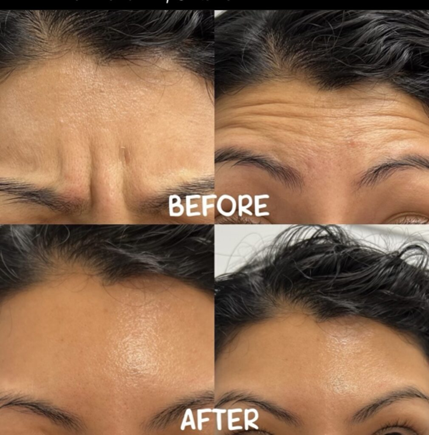
Cosmetic BOTOX may be used to soften expression lines in areas where repeated muscle movement contributes to creasing. Common treatment areas can include forehead lines, frown lines between the eyebrows and lines around the outer corners of the eyes.
The objective is typically to reduce excessive movement while maintaining a natural appearance. Our dentist will discuss the areas that concern you and determine how conservative or noticeable you want the result to be.
Because facial anatomy and muscle strength vary from person to person, the number and location of injections are individualized rather than based on a single formula.
BOTOX for Jaw Tension and TMJ-Related Symptoms
BOTOX may also be considered when overactive jaw muscles contribute to tension, clenching or discomfort. By reducing activity in selected muscles, treatment may help decrease the amount of force generated during involuntary tightening.
For some patients, this can complement other forms of TMJ treatment. BOTOX does not address every cause of jaw pain, however, which is why a careful evaluation is important before treatment is recommended.
Our dentist will consider your symptoms, bite, muscle tenderness and other findings to determine whether muscle activity appears to be contributing to the problem.
BOTOX and Bruxism
Bruxism involves clenching or grinding the teeth, often during sleep or periods of stress. Over time, excessive muscle force may contribute to tooth wear, jaw fatigue, headaches or soreness around the face and temples.
BOTOX may be used in selected cases to reduce activity in muscles involved in clenching. Depending on the cause and severity of your symptoms, our dentist may also recommend other treatment such as a protective appliance or additional evaluation.
Using more than one approach can sometimes be appropriate because reducing muscle activity does not replace the need to protect teeth that are already experiencing excessive wear.
What to Expect During Treatment
BOTOX treatment is performed with a series of small injections placed into specifically selected muscles. The number of injections depends on the treatment area, your anatomy and the result being planned.
The procedure is generally brief, and most people return to their usual activities soon afterward. You may notice temporary tenderness, redness, swelling or bruising around an injection site, although these effects are usually limited.
Our dentist will give you specific aftercare instructions based on the areas treated.
When Will You Notice the Effects?
BOTOX does not produce its full effect immediately. Changes typically develop gradually over the days following treatment as activity in the targeted muscles decreases.
The timing and degree of response vary among individuals. Cosmetic changes and improvements in muscle-related symptoms may also follow different timelines, so our dentist will explain what is realistic for the reason you are receiving treatment.
A follow-up may be recommended when appropriate to evaluate your response and determine whether future treatment should be adjusted.
How Long Does BOTOX Last?
BOTOX is temporary. The effects commonly last for several months, but duration varies based on the treatment area, muscle activity, dose and your individual response.
As the effect wears off, muscle movement gradually returns. If you would like to maintain the result, additional treatment may be considered after our dentist reassess the area.
Treatment intervals should be based on your response rather than automatically scheduling injections at the same frequency for every patient.
Why Facial and Dental Anatomy Matter
Whether BOTOX is being used for cosmetic purposes or jaw-related concerns, accurate placement requires a detailed understanding of the muscles being treated and how they interact with surrounding structures.
Dental training involves extensive study of the face, jaw, bite and muscles involved in oral function. Dr. Anil Dwivedi also completed an anesthesiology residency and has pursued extensive continuing education throughout his career, providing additional clinical experience relevant to patient assessment and procedural care.
The treatment plan remains individualized so injections are based on your anatomy and goals rather than a generic pattern.
Combining BOTOX With Cosmetic Dental Care
For patients interested in broader cosmetic changes, BOTOX may sometimes complement dental procedures that improve the appearance of the smile. Teeth and facial features influence one another visually, so treatment planning may consider both when appropriate.
If you are also considering veneers, whitening, alignment or a more comprehensive smile makeover, our dentist can discuss how the timing of each treatment may affect the overall plan.
BOTOX remains optional and should only be incorporated when it supports your individual cosmetic goals.
Is BOTOX Right for You?
Candidacy depends on the reason for treatment, your medical history, medications and the specific muscles or symptoms involved. BOTOX is not appropriate for everyone, and certain health conditions, pregnancy or breastfeeding, previous reactions and medications may affect whether treatment is recommended.
Our dentist will review relevant health information before treatment and discuss expected benefits, limitations and possible side effects so you can make an informed decision.
Possible Side Effects and Considerations
Temporary redness, tenderness, swelling or bruising can occur around injection sites. Other effects depend on the location of treatment and how nearby muscles respond.
Because BOTOX temporarily changes muscle activity, precise dosing and placement are important. Our dentist will discuss potential risks that apply to your treatment area before injections are performed.
If you have previously received BOTOX or another botulinum toxin product, let our team know when and where it was administered.
Cosmetic and Functional Treatment in One Setting
BOTOX in Vienna, VA, may be considered for facial esthetics, jaw-muscle activity or selected TMJ-related concerns depending on your goals. A personalized evaluation helps determine whether treatment is appropriate and how it should fit into your broader dental or cosmetic care.
Contact our office at 703-734-1080 to schedule a consultation with our dentist and discuss whether BOTOX may be appropriate for you.
Frequently Asked Questions About BOTOX
What can BOTOX be used for in a dental office?
BOTOX may be used for cosmetic facial treatment as well as selected concerns involving jaw-muscle activity, clenching or TMJ-related symptoms. The appropriate use depends on your examination and treatment goals.
How quickly does BOTOX start working?
The effects develop gradually rather than immediately. Many people begin noticing changes within several days, with the response continuing to develop afterward.
How long do BOTOX results last?
Results commonly last for several months, although duration varies from person to person and by treatment area. Muscle activity gradually returns as the effect wears off.
Can BOTOX help with teeth grinding?
It may help selected patients when excessive jaw-muscle activity contributes to clenching or grinding. Our dentist will determine whether BOTOX, an oral appliance or another approach is more appropriate for your situation.
Can BOTOX help with TMJ pain?
BOTOX may help when overactive muscles are contributing to jaw tension or discomfort, but TMJ symptoms can have several causes. A proper evaluation is needed before deciding whether muscle-relaxing injections belong in your treatment plan.
Will cosmetic BOTOX make my face look unnatural?
The goal can be tailored to your preferences. Conservative treatment may soften excessive movement while preserving facial expression, but the exact result depends on anatomy, dosing and treatment location.
Is there downtime after BOTOX?
Most people can return to normal daily activities shortly after treatment. Temporary redness, tenderness, swelling or bruising may occur around the injection sites.
How do I schedule a BOTOX consultation?
Call 703-734-1080 to schedule a consultation with our dentist. We can discuss your cosmetic or jaw-related concerns and determine whether BOTOX is appropriate for your goals.