
Loose or shifting dentures can make eating, speaking and everyday conversation more difficult than they need to be. Implant-supported dentures use dental implants placed in the jaw to provide a more stable foundation for replacement teeth, helping reduce the movement that can occur with conventional removable dentures.
This approach may be considered when you are missing most or all of the teeth in an arch and want greater stability than a traditional denture can provide. Our dentist will evaluate your jawbone, gum health, bite and restorative needs before determining whether implant support is appropriate and what type of denture design may work best for you.
How Implant-Supported Dentures Gain Their Stability
Traditional dentures rest primarily on the gums and underlying tissues. Although a well-made denture can restore appearance and function, changes in the jaw over time may affect how securely it fits. An implant-supported denture receives additional support from implants anchored within the jawbone, creating a more stable connection between the prosthesis and your mouth.
The number and position of implants depend on the anatomy of your jaw and the type of restoration being planned. Rather than assuming that every patient needs the same number of implants, our dentist will determine the configuration that makes sense for your bone support, bite and long-term restorative goals.
Planning the Implant and Denture Together
A successful result depends on planning the implants around the final denture rather than treating those steps as unrelated procedures. The implants need to be positioned where they can provide appropriate support while also allowing the replacement teeth to fit comfortably, function well and complement your facial appearance.
Dr. Anil Dwivedi has placed more than 1,000 dental implants and completed more than 1,000 implant restorations during his career. He has also completed more than 500 hours of continuing education in implant dentistry. This experience supports treatment planning that considers both the surgical and restorative sides of implant-supported care.
Three-dimensional imaging may also be used to evaluate available bone and nearby anatomical structures before treatment begins. Our dentist will explain what records are needed and how they contribute to the final plan.
What Happens During Treatment?
Treatment generally begins with placement of the dental implants into the jawbone. After placement, the implants are given time to heal and integrate with the surrounding bone so they can provide a stable foundation for the denture.
The healing timeline varies according to your health, bone quality, the number of implants placed and whether additional procedures are needed. During this period, our dentist will monitor your progress and determine when the implants are ready to support the planned restoration.
Once healing is sufficient, the denture is connected to the implants using the attachment system selected for your case. The final fit, bite and appearance are evaluated carefully so the prosthesis functions comfortably and distributes biting forces appropriately.
Removable and Fixed Implant-Supported Options
Implant-supported dentures are not all designed the same way. Some are removable by the patient for cleaning, while others are fixed more securely in place and are removed only by a dental professional when necessary.
A removable implant-supported denture can provide substantially more stability than a conventional denture while still allowing you to take the appliance out for cleaning. A fixed option remains attached to the implants during everyday use and may feel more similar to having teeth that stay in place.
Our dentist will explain which designs are appropriate based on your anatomy, hygiene needs, restorative space and personal preferences.
How Implant Support Can Change Daily Denture Use
One of the most meaningful differences is reduced movement. When a denture shifts during eating or speaking, it can create sore areas and make it difficult to feel confident about everyday activities. Implant support can help stabilize the prosthesis so it moves less during normal function.
Potential advantages may include:
- Greater denture stability during eating and speaking
- Less movement against the gums
- Improved confidence when wearing replacement teeth
- Better distribution of chewing forces
- Reduced reliance on denture adhesive in many cases
- Support from implants placed within the jawbone
- A customized restoration designed around your bite and facial appearance
The amount of improvement you experience depends on the type of denture, implant configuration, condition of your jaw and other individual factors.
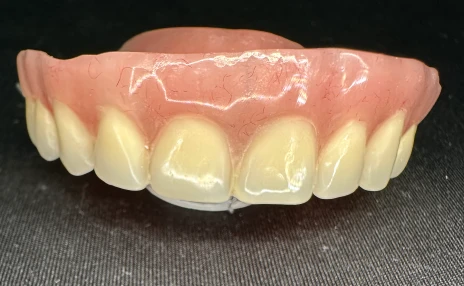
How This Option Differs From Traditional Dentures
Traditional dentures remain an appropriate solution for many patients, particularly when implant treatment is not desired or suitable. The primary difference is where the denture gets its support.
A conventional denture rests on the gums, while an implant-supported design connects to implants within the jaw. That additional anchorage can improve stability, but it also requires implant placement, adequate bone support and additional treatment planning.
Our dentist will compare the available options with you so the decision reflects your health, goals, budget and expectations rather than assuming one solution is appropriate for everyone.
What if You Have Experienced Bone Loss?
Jawbone volume can decrease after teeth have been missing for an extended period. Because implants need sufficient bone for support, the amount and location of available bone are important parts of your evaluation.
If bone loss is present, it does not automatically mean implant-supported dentures are impossible. Additional procedures may be considered depending on the anatomy and treatment plan. Our dentist will review your imaging, explain what is available and discuss whether site development is necessary before implant placement.
Who May Be a Candidate?
Implant-supported dentures may be considered if you are missing an entire arch of teeth, already wear dentures and want greater stability, or have several failing teeth that are expected to require replacement. Your overall health, gum condition, bone support and ability to maintain the restoration are all important factors.
Certain medical conditions, medications, smoking and active oral disease may influence healing or alter the recommended treatment plan. A comprehensive evaluation allows our dentist to identify these considerations before treatment begins and determine whether another approach may be more appropriate.
Caring for Implant-Supported Dentures
Implants cannot develop cavities, but the tissues around them still require daily care. Plaque and bacteria can accumulate around the attachments and implant sites, so keeping these areas clean is essential for protecting the gums and supporting bone.
Your home-care routine will depend partly on whether the denture is removable or fixed. Our team will show you how to clean around the implants and prosthesis and recommend any special brushes, flossing aids or other tools that may make the process easier.
Regular dental examinations are also important so our dentist can monitor the implants, attachments, denture, bite and surrounding tissues over time.
Replacing Teeth With Greater Stability
Implant-supported dentures in Vienna, VA, may provide a more secure alternative if conventional dentures move too much or no longer provide the function you want. The best result begins with careful evaluation of your bone, bite, restorative needs and the type of denture that will fit your lifestyle.
Contact our office at 703-734-1080 to schedule a consultation with our dentist and learn whether implant-supported dentures may be appropriate for you.
Frequently Asked Questions About Implant-Supported Dentures
How are implant-supported dentures different from regular dentures?
Traditional dentures rest primarily on the gums, while implant-supported dentures attach to dental implants placed within the jawbone. The implant connection can provide greater stability and reduce movement during normal eating and speaking.
Are implant-supported dentures removable?
Some are removable by the patient, while others are designed to remain fixed in place. The appropriate design depends on your anatomy, treatment goals, hygiene needs and the type of restoration being planned.
How many implants are needed to support a denture?
There is no single number that is appropriate for every patient. The number and position of implants depend on the jaw being treated, available bone, the denture design and the amount of support required. Our dentist will determine the appropriate configuration during treatment planning.
Can I get implant-supported dentures if I already wear dentures?
Possibly. Many patients explore implant support because they want greater stability than their current dentures provide. An examination and imaging are needed to determine whether implants can be incorporated into a new treatment plan.
What happens if I do not have enough bone for implants?
Bone loss may affect implant placement, but the options depend on where the bone is lacking and how much support is available. Our dentist can evaluate the jaw and explain whether additional treatment or a different restorative approach should be considered.
Do implant-supported dentures feel more secure when eating?
Implant support can reduce denture movement and improve stability during chewing. The amount of improvement depends on the restoration design, implant placement, bite and other individual factors.
How do I clean implant-supported dentures?
Cleaning methods differ for removable and fixed restorations. In either case, the areas around the implants need consistent plaque control. Our team will show you how to clean the prosthesis and implant sites properly.
How do I know whether implant-supported dentures are right for me?
Call 703-734-1080 to schedule a consultation with our dentist. We can evaluate your bone support, oral health and restorative needs and explain whether implant-supported dentures fit your treatment goals.